

SiteWash systems
SiteWash wheel and tire wash systems
Drive-through spray systems from 6 ft 7 in (2 m) to 32 ft 10 in (10 m), the compact SiteWash Flexi and wheel baths for sites without a power or water connection. All spray systems recycle their wash water in a closed loop.
At a glance
One superstructure, specified to the site
Every SiteWash spray system uses the same bolted steel superstructure, engineered and certified once and built in 2 m modules, specified over the SiteWash steel tank, an existing concrete tank or a settlement lagoon.
- Platform
- Bolted steel superstructure in 2-meter modules
- Tank
- SiteWash steel tank, existing concrete tank or lagoon
- Groundworks
- Excavation and compacted stone base
- Delivery
- One trailer, one lift, with the steel tank
- Hot work
- None on site
- Wash bay
- No moving parts
- Water
- Closed loop, no discharge to storm drains. Overflow to the mains drain if the site needs it
- Records
- SiteWash Record, in beta
Standards
Engineering standards
Built and documented to the standards engineers and procurement teams ask for.
- Structural steel
- S235 and S355
- Finish
- Hot-dip galvanized to EN ISO 1461
- Construction
- Bolted, with no welding on site
- Rating
- 33,000 lb (15 t) per axle, 45 t gross
- Controls
- Siemens controller in a 304 stainless steel IP66 panel, Eaton HMI option
- Electrical
- CE marked for the EU. 480 V 60 Hz with UL 508A panel for North America
- Documentation
- Issued under document control, with reference, revision and date


Selection
Which SiteWash system fits the duty?
Start with traffic, ground conditions, space at the entrance, and power and water. Every system is sized from a site assessment.
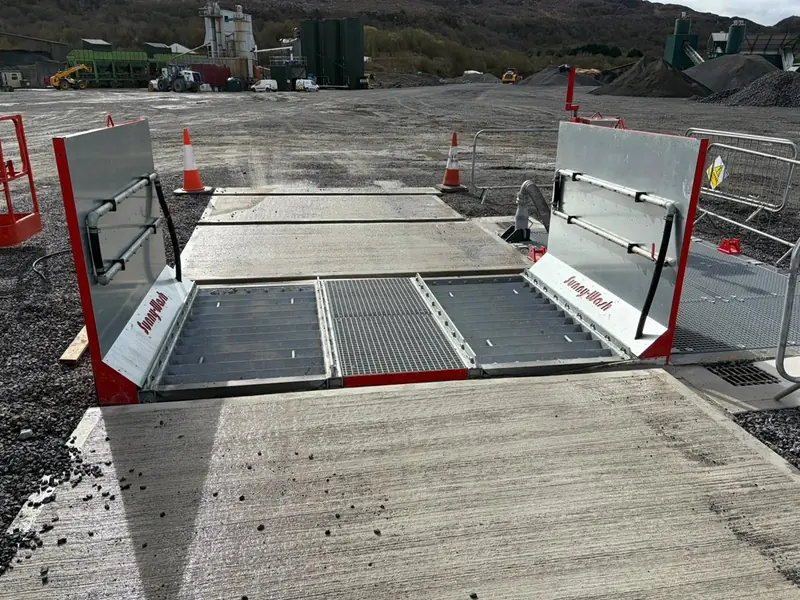
SiteWash 2
- Typical fit
- Lower traffic
- Wash passage
- 6 ft 7 in (2 m)
- Throughput
- Up to 60 trucks a day
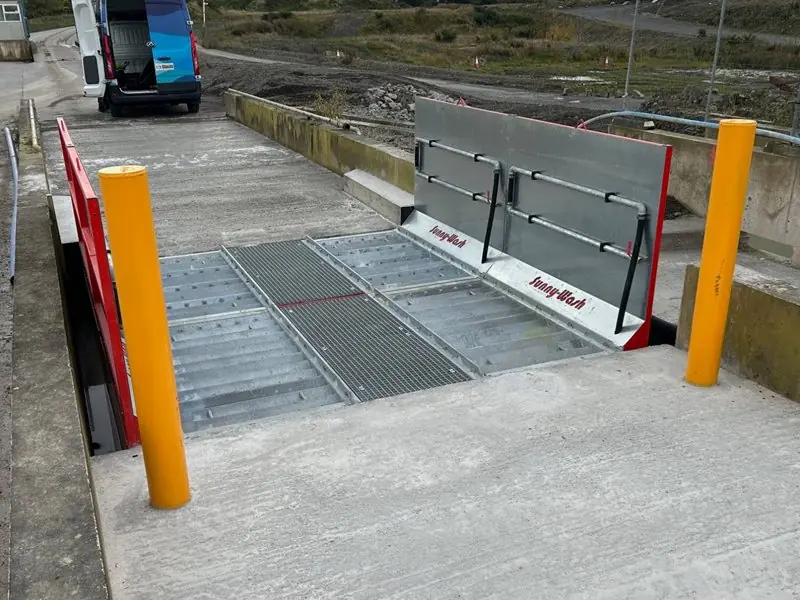
SiteWash 4
- Typical fit
- Most sites
- Wash passage
- 13 ft 1 in (4 m)
- Throughput
- Up to 150 truck movements a day
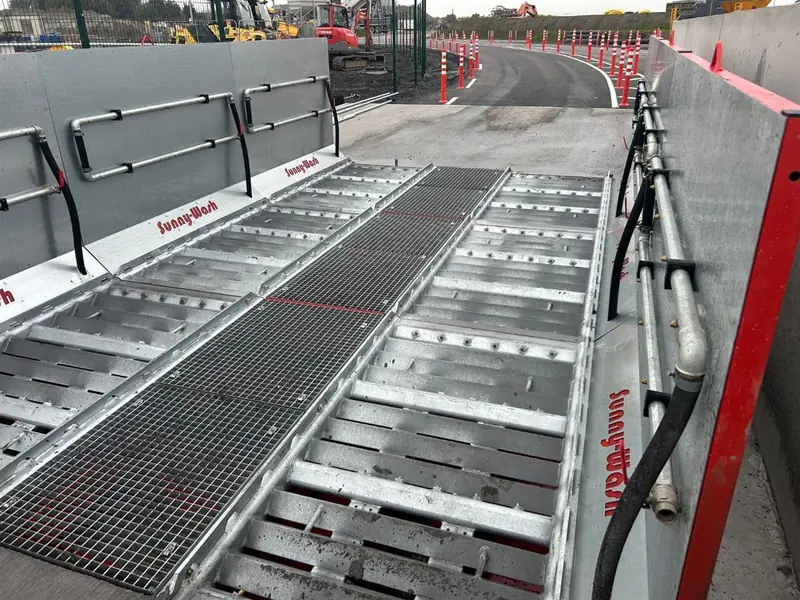
SiteWash 6
- Typical fit
- Heavy ground or high traffic
- Wash passage
- 19 ft 8 in (6 m)
- Throughput
- Up to 350 truck movements a day
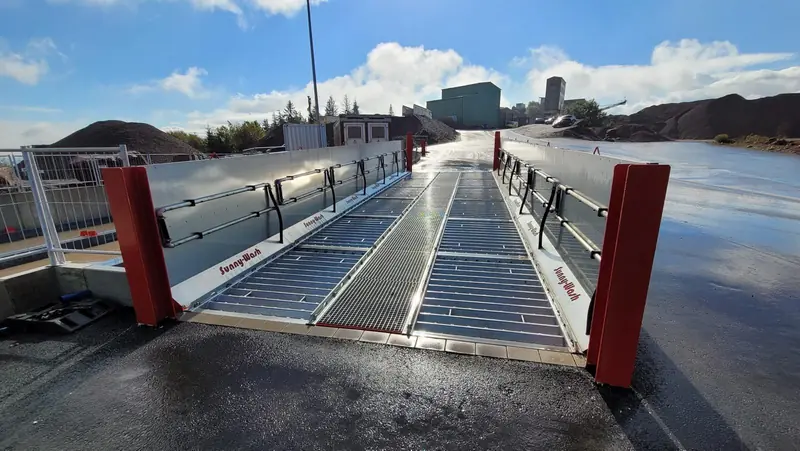
SiteWash 8 and 10
- Typical fit
- Major projects, around the clock
- Wash passage
- 8 m and 10 m
- Throughput
- 400 trucks a day on a reference project
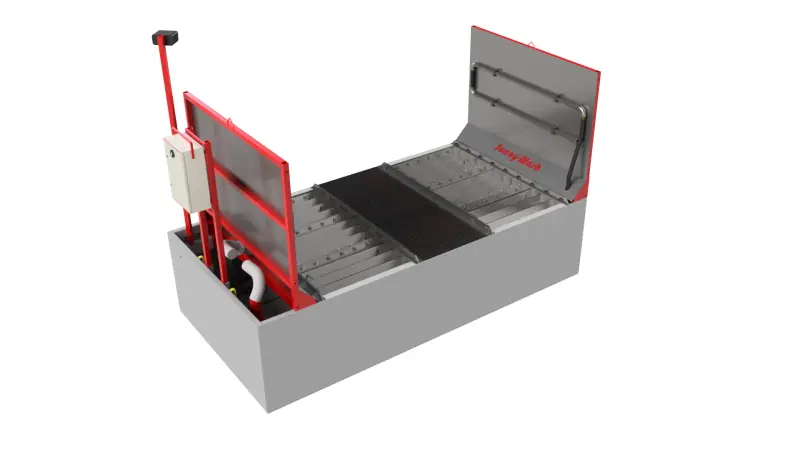
SiteWash Flexi
- Typical fit
- Tight entrances
- Wash passage
- 6 ft 7 in (2 m), one excavation
- Throughput
- Sized to the site
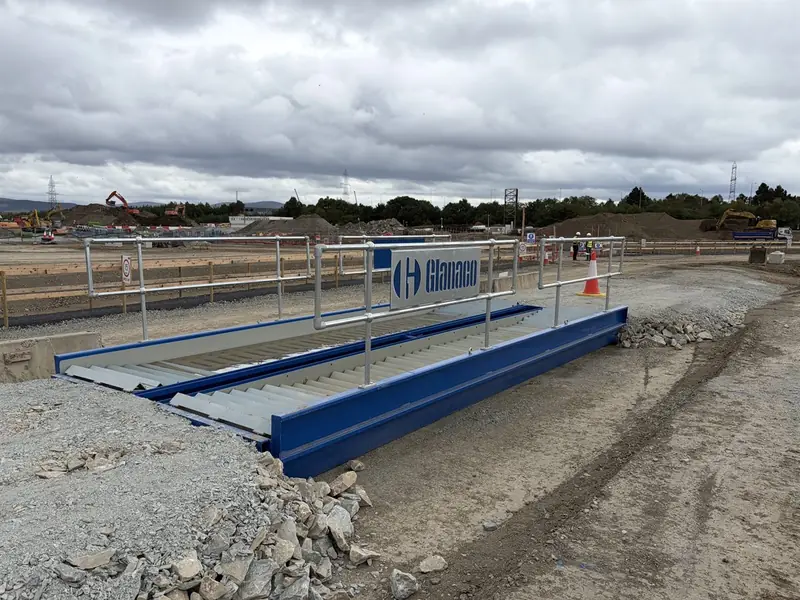
SiteWash wheel baths
- Typical fit
- No power or water connection
- Wash passage
- 36 ft (11 m)
- Throughput
- Sized to the site
Longer systems and bespoke configurations are built to order.
How it works
How it works
Each wash is a closed cycle. Water is pumped from the tank to the nozzles, drains back after the wash, settles and is recirculated.
Detection
A BBC Bircher radar sensor on a stand at the approach detects the vehicle and starts the cycle automatically. No loop is cut into the road.
Wash
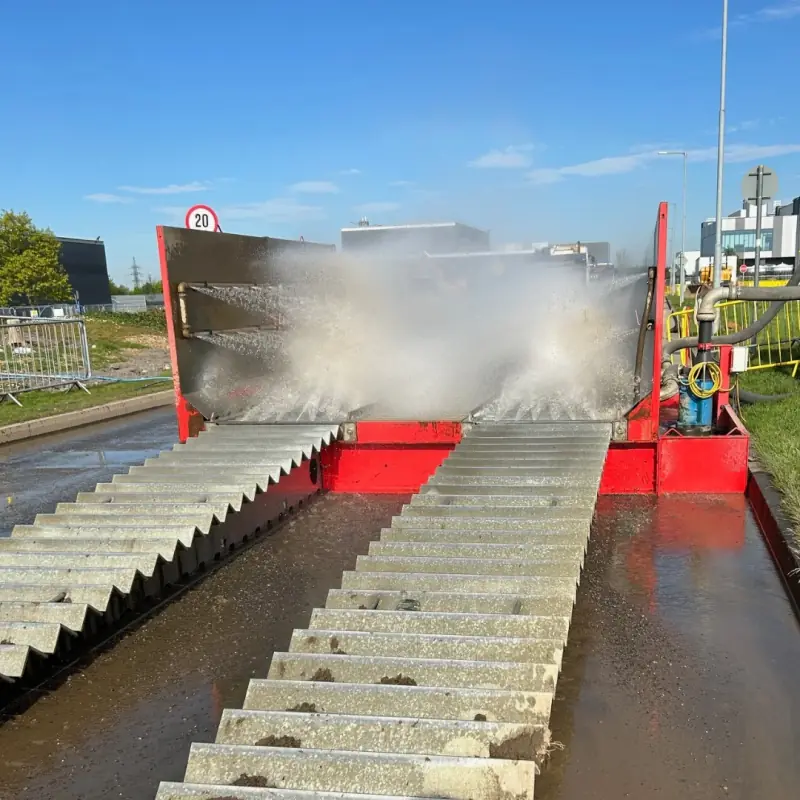
Nozzles in the floor grids, guide rails and side screens wash the tread, sidewalls, wheels and underside at the same time. The drive-over grids flex the tire as it rolls, opening the tread to the spray.
Settlement
Water and solids drain by gravity into the tank, the solids settle behind baffles, and one submersible pump returns clean water to the nozzles.
Spray jets wash each tire inside and out, and the underside of the truck.
Specifications
Specifications
| SiteWash 2 | SiteWash 4 | SiteWash 6 | |
|---|---|---|---|
| Wash passage | 6 ft 7 in (2,000 mm) | 13 ft 1 in (4,000 mm) | 19 ft 8 in (6,000 mm) |
| Wash modules | 1 | 2 | 3 |
| Throughput | Up to 60 trucks a day | Up to 150 truck movements a day | Up to 350 truck movements a day |
| Flow | Supplied with quotation | 687 gal/min (2,600 L/min) | Supplied with quotation |
| Recycling tank | Sized to the site | 4,490 gal (17,000 L) | Sized to the site |
| Feed pump | Supplied with quotation | 15 hp (11 kW) | Supplied with quotation |
| Electrical supply | 480 V three phase 60 Hz (North America), or 400 V three phase 50 Hz (Europe) | ||
All spray systems: 9 ft 10 in (3,000 mm) wheel passage, 11 ft 2 in (3,400 mm) chassis clearance, 4 ft 8 in (1,420 mm) side screens, rated for 33,000 lb (15 t) per axle and vehicles up to 45 t gross. Open top, with no height restriction. SiteWash 8, SiteWash 10 and SiteWash Flexi specifications are prepared for each project. Throughput depends on ground conditions and water volume, and every system is sized from a site assessment. Full specifications, general arrangement drawings and lift weights are supplied with every quotation.
Installation options
Inset or surface mounted
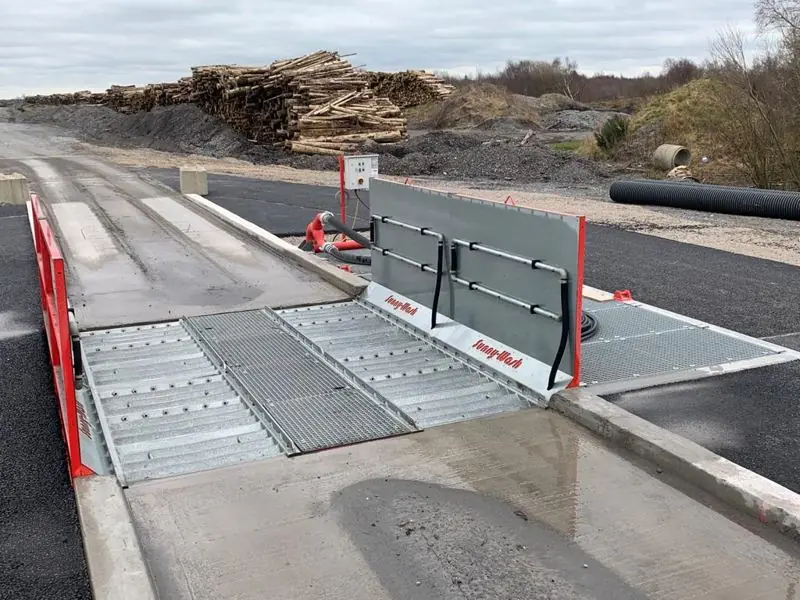
An inset system sits flush with the site entrance, so trucks drive straight through with nothing to strike. It requires excavation. A surface mounted system sits on the ground with ramps, for sites where excavation isn't possible or permitted.
Tank choice: the SiteWash galvanized steel tank suits most sites. Systems can also run from an existing concrete tank or settlement lagoon, which adds water volume and throughput.
Components
Components
Glanaco designs the system and builds the superstructure and tank. Pumps, controls and detection come from specialist suppliers.
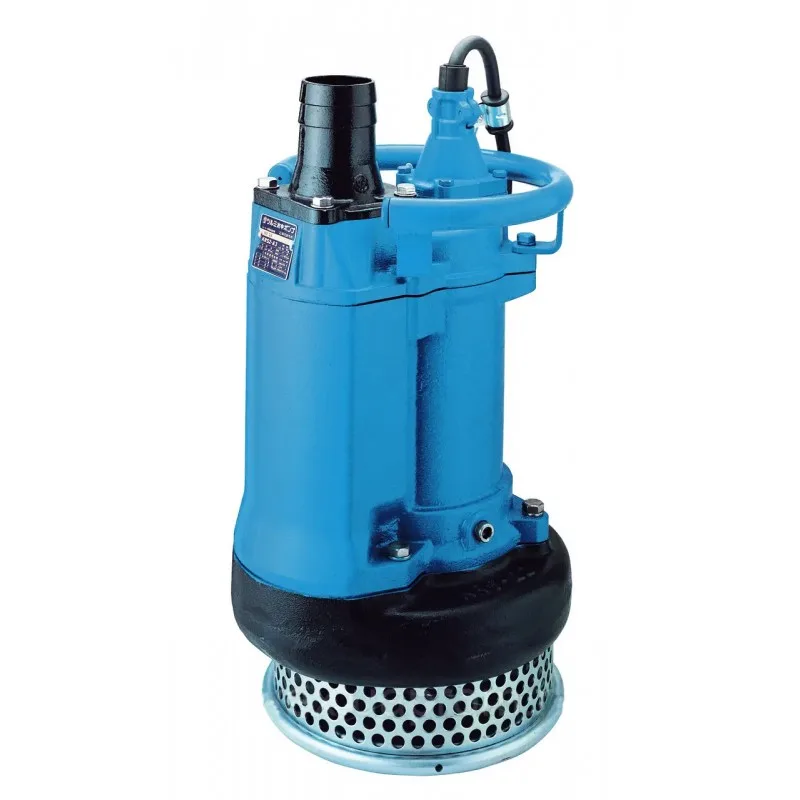
Tsurumi pumps
Industrial submersible pumps in the tank. No priming, and no water held above ground between washes.
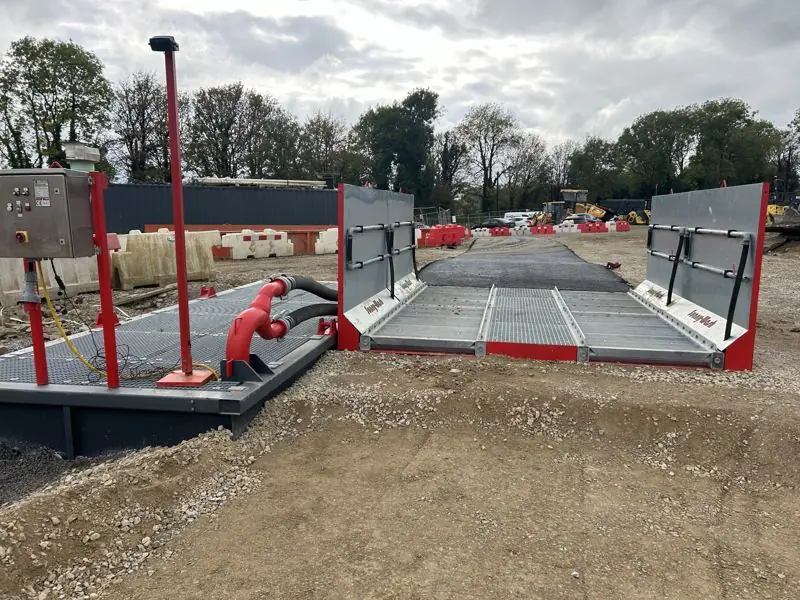
Siemens and Eaton controls
Siemens controller in a 304 stainless steel IP66 panel, with cabinet heaters and volt-free status contacts. Eaton HMI option.
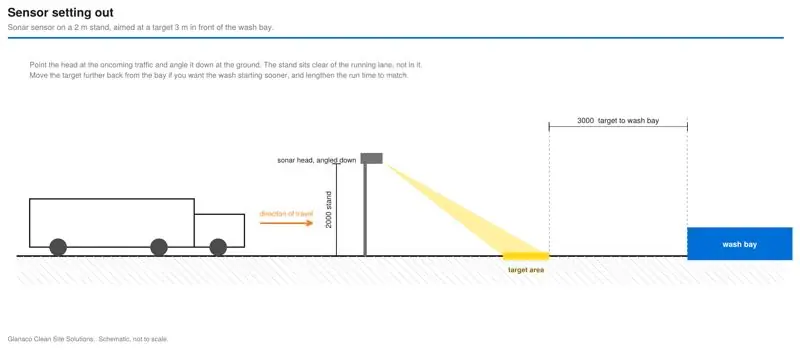
BBC Bircher vehicle detection
A BBC Bircher radar sensor on a 2 m stand, aimed 10 ft (3 m) ahead of the wash bay. No loop cut into the road.
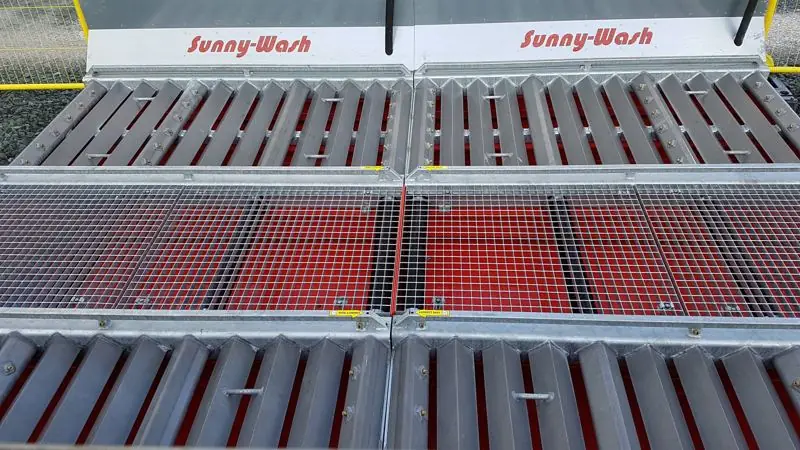
Superstructure and tank
S235 and S355 steel, hot-dip galvanized to EN ISO 1461. Bolted assembly with no hot work on site.




Environmental performance
Environmental performance
Water
Wash water is recirculated in a closed loop. Top-up covers evaporation and carry-off only, typically 5 to 8 gal (20 to 30 L) a wash. The system does not discharge to storm drains. Where a site needs one, an overflow to the mains drain can be fitted.
Oil and fuel
An absorbent sock in the tank captures oil and fuel. It is replaced at each sludge removal.
Solids
Solids settle in the tank and are removed as controlled waste, typically every two to three months.
Glanaco is responsible for the system and its tank. Site drainage, discharge permits and waste disposal remain the site's responsibility.
Throughput and sizing
Throughput and sizing
Daily throughput depends on water volume, and heavier ground needs more water per vehicle. For soil, silt or clay, or for higher traffic, systems are supplied with a larger tank, concrete tank or lagoon, and with the pump and nozzles configured to suit.
Every system is sized from a site assessment of ground conditions, peak-hour traffic and water supply.
Maintenance
Maintenance
A two-minute check each shift: water level, nozzles clear, a visual check for damage and one test cycle. Sludge removal typically every two to three months, arranged by the site with a vacuum truck. In freezing conditions the system can be drained down in place.
Driver guidance. Stop before the ramp, cross the deck at walking pace, and do not stop or turn on the deck. Most trackout problems come from driving technique rather than the wash.
Questions
Frequently asked questions
Which SiteWash system do I need?
It depends on daily traffic, ground conditions, the space at the entrance and whether power and water are available. Every system is sized from a site assessment of ground conditions, peak-hour traffic and water supply.
What is the difference between inset and surface mounted?
An inset system sits flush with the site entrance and needs excavation. A surface mounted system sits on the ground with ramps, for sites where excavation isn't possible or permitted.
Can a SiteWash run from our own concrete tank or lagoon?
Yes. The superstructure is the same whichever tank it runs from: the SiteWash galvanized steel tank, an existing concrete tank, or a settlement lagoon.
How many trucks a day can a SiteWash handle?
Up to 60 trucks a day on a SiteWash 2, up to 150 truck movements a day on a SiteWash 4 and up to 350 on a SiteWash 6. Two SiteWash 10 systems handled 400 trucks a day on a semiconductor project. Throughput depends on ground conditions and water volume.
What vehicles can use it?
Articulated and rigid trucks up to 45 t gross and 33,000 lb (15 t) per axle. All spray systems have a 9 ft 10 in (3,000 mm) wheel passage and 11 ft 2 in (3,400 mm) chassis clearance, and are open top with no height restriction.
What electrical supply is needed?
480 V three phase 60 Hz in North America, or 400 V three phase 50 Hz in Europe.
Can SiteWash systems be moved between sites?
Yes. Every system is bolted together, with no welding on site, so it can be dismantled and reinstalled at the next site.
What is the warranty?
5 years on the superstructure and tank. 2 years on pumps and control panels. The warranty applies to new systems.
Tell us about your site
Describe the entrance, the traffic and the timeline, and we will recommend the right system.